What soft washing is designed to do
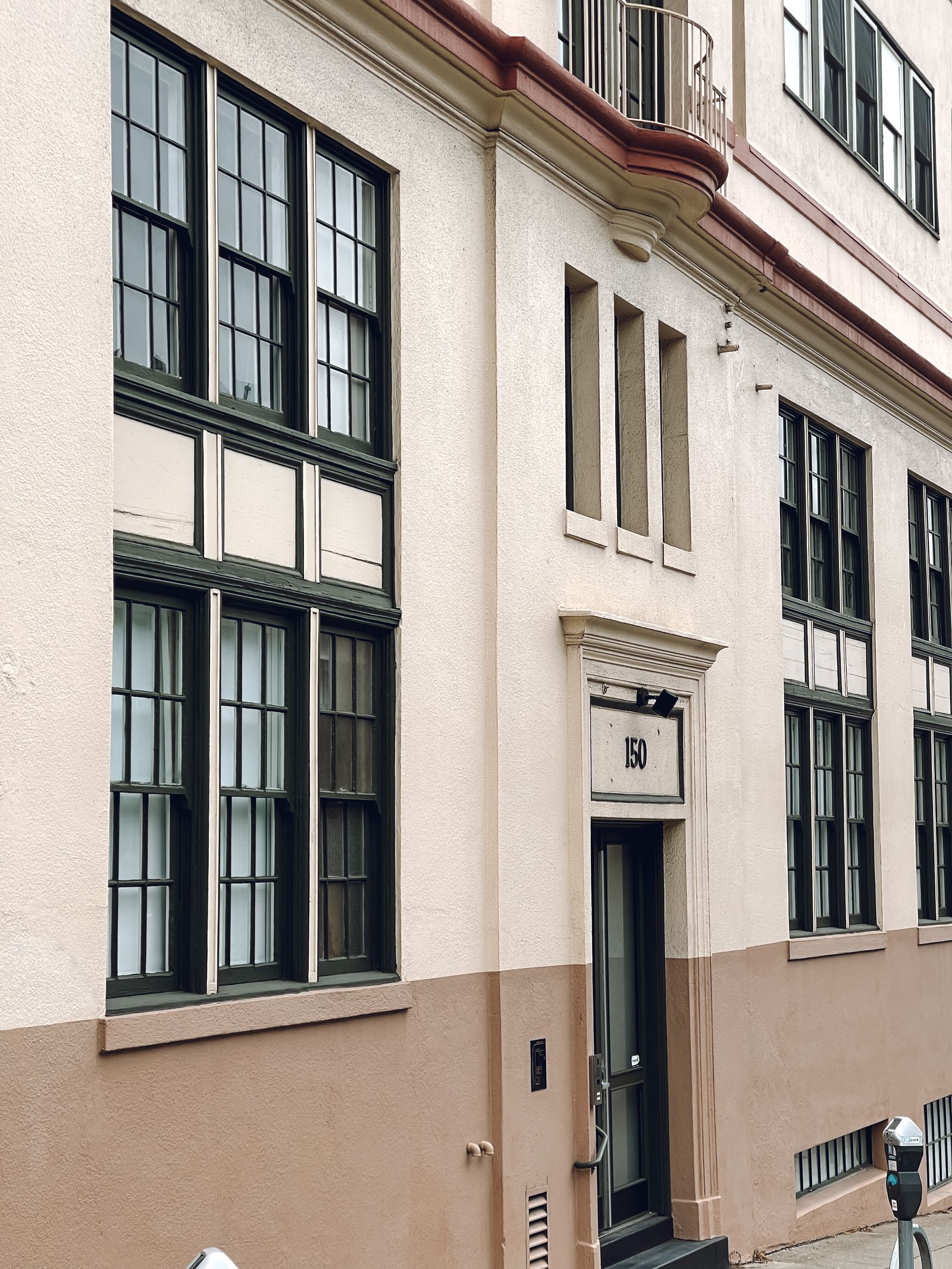
Soft washing generally uses compatible chemistry, measured dwell, and a lower-impact rinse to loosen and remove appropriate contamination. It may fit organic growth, pollen, bird residue, ordinary soil, and atmospheric film on compatible brick, concrete, stucco, EIFS, painted finishes, and other tested materials. The word soft does not mean every building receives identical chemistry or pressure. Concentration, dwell time, temperature, agitation, rinse volume, protection, and substrate condition all affect the result.
On a Killeen office, hotel, medical building, downtown storefront, retail center, warehouse, or mixed-use property, soft washing can be useful for broad facade soil when the work zone and water path are controlled. It does not repair a leaking roof, failed joint, cracked stucco, spalled concrete, corroded panel, loose coating, damaged glass, or underlying drainage problem. A quote should name the appearance condition being addressed and identify conditions that need a roofer, mason, glazier, painter, corrosion specialist, or envelope professional.
Where pressure washing can fit in Killeen
Controlled pressure may fit selected Killeen concrete walks, curbs, ramps, loading pads, service yards, parking structures, or hardscape after the substrate, nearby finishes, drainage, and operating plan are reviewed. It can release adhered soil that a lower-impact rinse cannot, but high pressure is not a facade default. Excessive force can etch concrete, erode mortar, drive water behind joints, strip paint, damage stucco or EIFS, break seals, and carry dirty water beyond the work zone.
A Killeen retail center might use pressure on a tested concrete trash pad while storefront frames, signs, stucco, and glass receive another method. A hotel near the Fort Cavazos-adjacent commercial corridor could have a durable service drive that differs from guest entries, awnings, landscaping, and coated panels. A warehouse may have a concrete truck court that differs completely from insulated panels, dock seals, cameras, and electrical equipment. Compare each material and outcome instead of applying one setting to the whole address.
Identify Killeen heat, dust, and storm residue first
Central Texas heat can raise surface temperature, accelerate evaporation, expose chalking and oxidation, and change how a cleaning solution dwells on a west-facing wall. Dry periods can put fine dust on parapets, horizontal ledges, window frames, canopies, signs, and lower walls beside parking or truck routes. Pollen and organic growth may collect in landscaping edges and shaded areas. A dark streak may be organic growth, roof runoff, or a failed drain. A white or tan deposit may be mineral residue, efflorescence, or storm-borne soil. Routine washing should not be presented as repair or diagnosis when the source is a roof edge, flashing detail, joint, irrigation line, or blocked drainage path.
Thunderstorms can move leaves, silt, roof aggregate, parking-lot soil, and other storm residue toward doors, ramps, walls, catch basins, and low points. The cleaning method should account for where that material will go during rinsing and how the area will be returned to use. A wet downtown sidewalk, hotel arrival, medical drop-off, retail drive-through, or warehouse ramp may remain unsafe for a period after the wall looks clean. Forecast, surface moisture, lightning, wind, standing water, drying, and handback conditions belong in the schedule.
The Fort Cavazos-adjacent commercial setting adds useful operational context: hotels, restaurants, retail, medical offices, warehouses, and service businesses may see changing traffic and security expectations near major access routes. That context does not establish a service claim for the installation or military facilities. It reinforces why the address, owner permissions, restricted areas, traffic plan, and actual residue source must be reviewed before a method is chosen.
Compare materials, access, and finish risk
Brick and mortar need a method that respects joint condition and age. Stucco and EIFS need attention to cracks, penetrations, drainage details, and the risk of forcing water behind the finish. Tilt-up concrete and precast panels may tolerate a different approach than painted metal or insulated panels. Glass, seals, signs, cameras, rooftop equipment, and air intakes need protection regardless of the selected method. A discreet test area can show how a finish responds before a full elevation is scheduled.
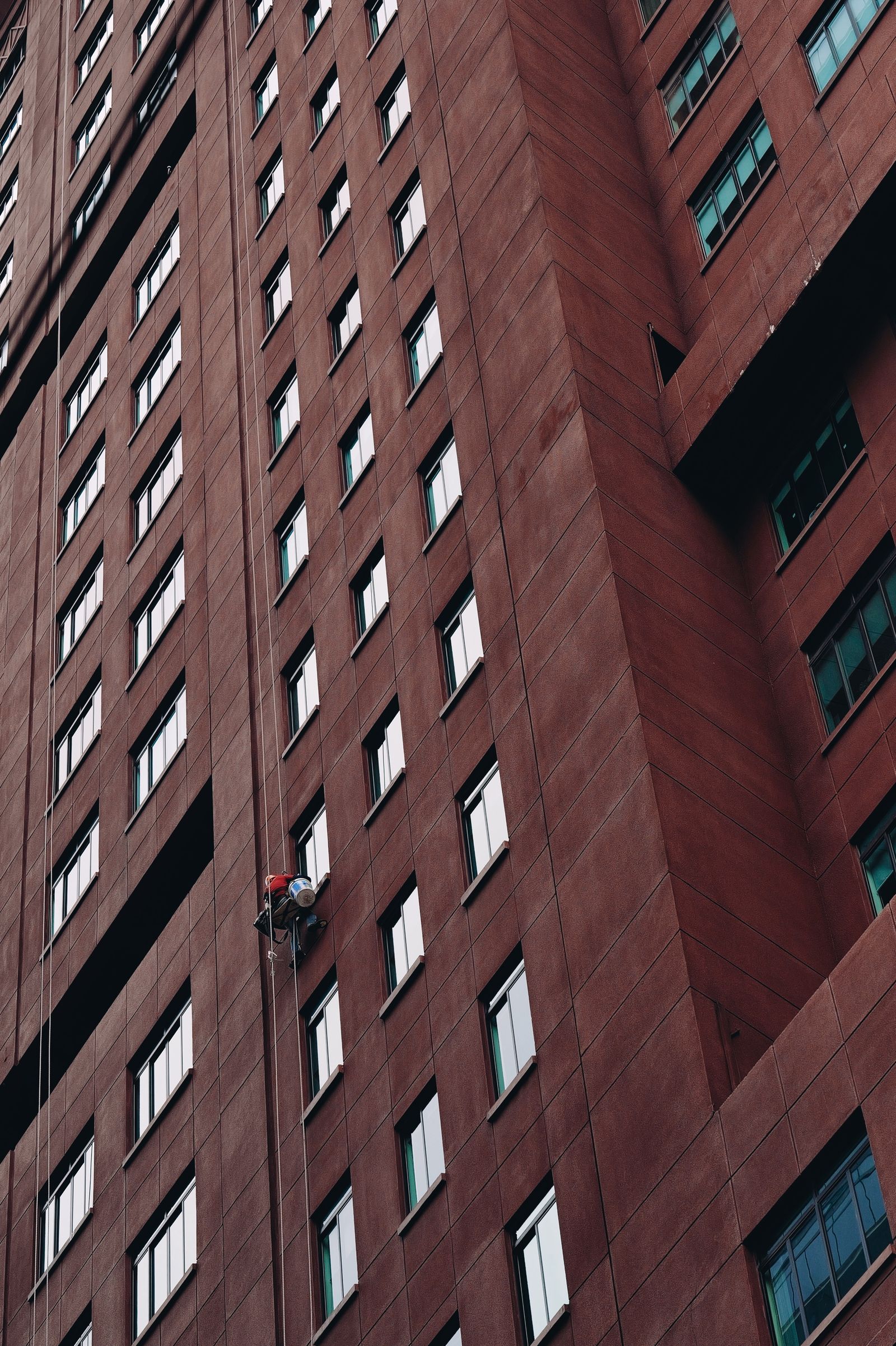
Access changes the comparison. A broad upper wall may support drone assistance when wind, airspace, visual control, launch space, stand-off distance, hose routing, and the ground zone work together. A narrow downtown sidewalk, active hotel arrival, medical entrance, truck court, or property with overhead utilities may favor a lift, pole, roof access, hand detail, or a phased plan. Drone assistance does not eliminate the need for contact cleaning at entrances, glazing, recessed details, mineral deposits, and delicate features. FAA rules and any current site restrictions still apply.
Plan occupied-site access, water, and runoff
A method that looks efficient on an empty drawing may be unsuitable once the real operating calendar is considered. Coordinate patients, guests, tenants, employees, deliveries, events, security, emergency routes, outdoor seating, accessible travel, and drive-through traffic. Divide work around the busiest elevations, communicate closures, protect air intakes and doors, and inspect the handback area before reopening it. On a warehouse or service property, keep truck courts, forklift lanes, gates, dock doors, and equipment protected. Downtown work may need compact phases and visible spotters around sidewalks and neighboring storefronts.
Water should be planned before the first rinse. The City of Killeen notes that runoff from streets, parking lots, and rooftops can carry dirt, sediment, chemicals, oils, and other pollutants into the storm-drain system. Identify catch basins, low points, parking slopes, planted areas, detention features, doors, adjacent parcels, and places where storm residue collects. The nearest inlet is not automatic permission to discharge there. Depending on the product, soil load, rinse volume, slope, and actual flow path, the plan may need diversion, recovery, filtration, reduced rinse volume, plant protection, disposal, or authority coordination. Include assumptions in the quote and define what happens when a blocked drain or storm condition changes them.
Choose the method by the building outcome
If the goal is a cleaner office entry, hotel facade, medical property, retail frontage, downtown storefront, warehouse exterior, or mixed-use building, the scope should identify elevations, materials, residue, finish standard, work windows, exclusions, protection, drainage assumptions, and documentation. A proposal might combine soft washing for compatible organic film, controlled rinsing for upper panels, water-fed poles for selected glass, hand detail at entries, and pressure washing only on a tested hardscape zone. The combination is often more useful than arguing for one method across the entire property.
Send photographs from main elevations, roof edges, entries, loading areas, and problem spots. Include approximate height, materials, known leaks or repairs, water access, drainage, heat or shade concerns, preferred dates, tenant restrictions, event schedules, security requirements, and areas that must remain open. Drone Building Cleaners can explain what method fits, what risks need review, and what should be referred to another professional.
For a Killeen quote, call +1 239-351-2897, email contact@dronebuildingcleaners.com, or use the existing quote/contact CTA. The goal is a cleaning decision tied to the finish the property needs, the people using it, and the weather and drainage conditions the site can safely support.